.avif)


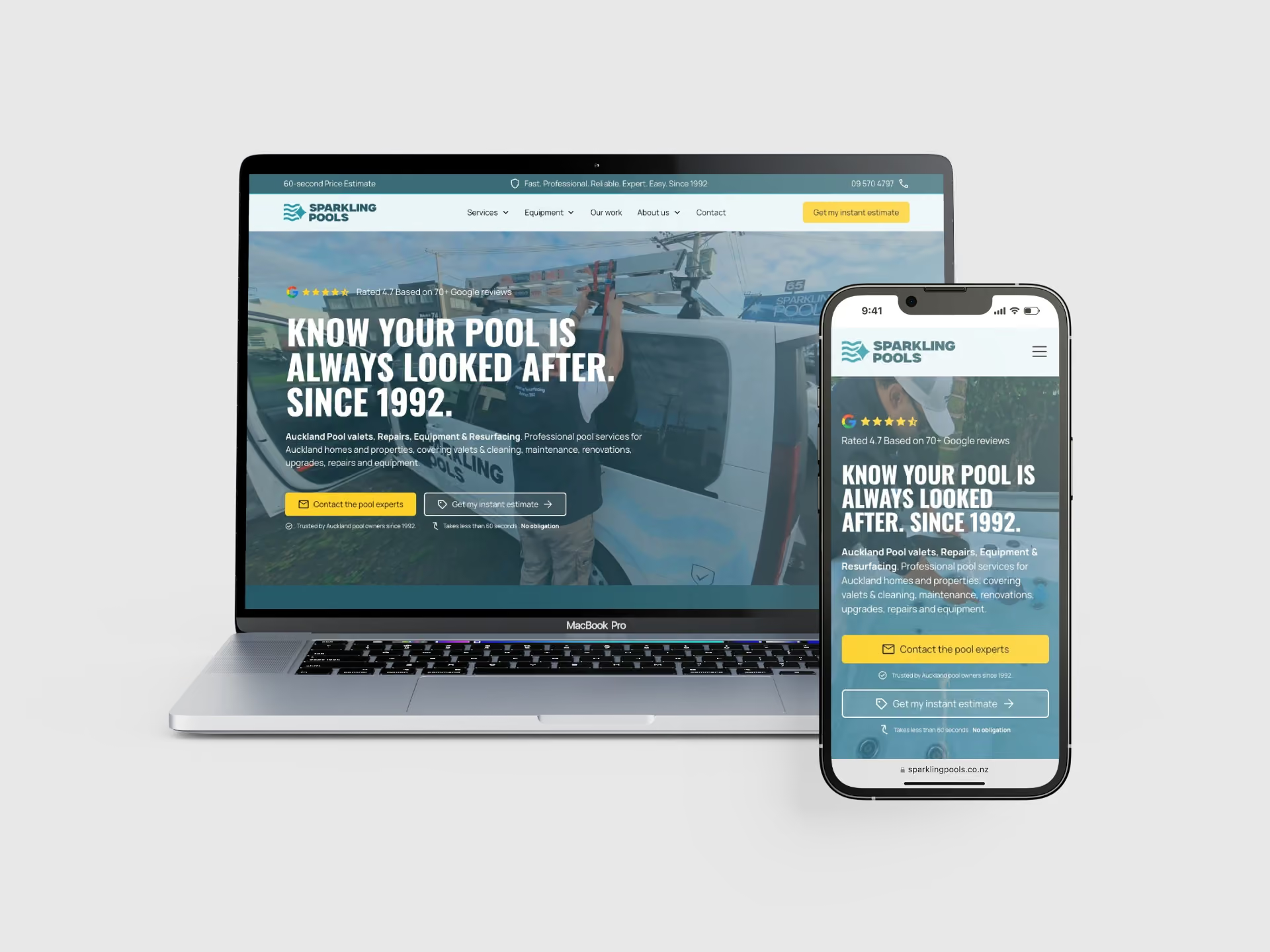
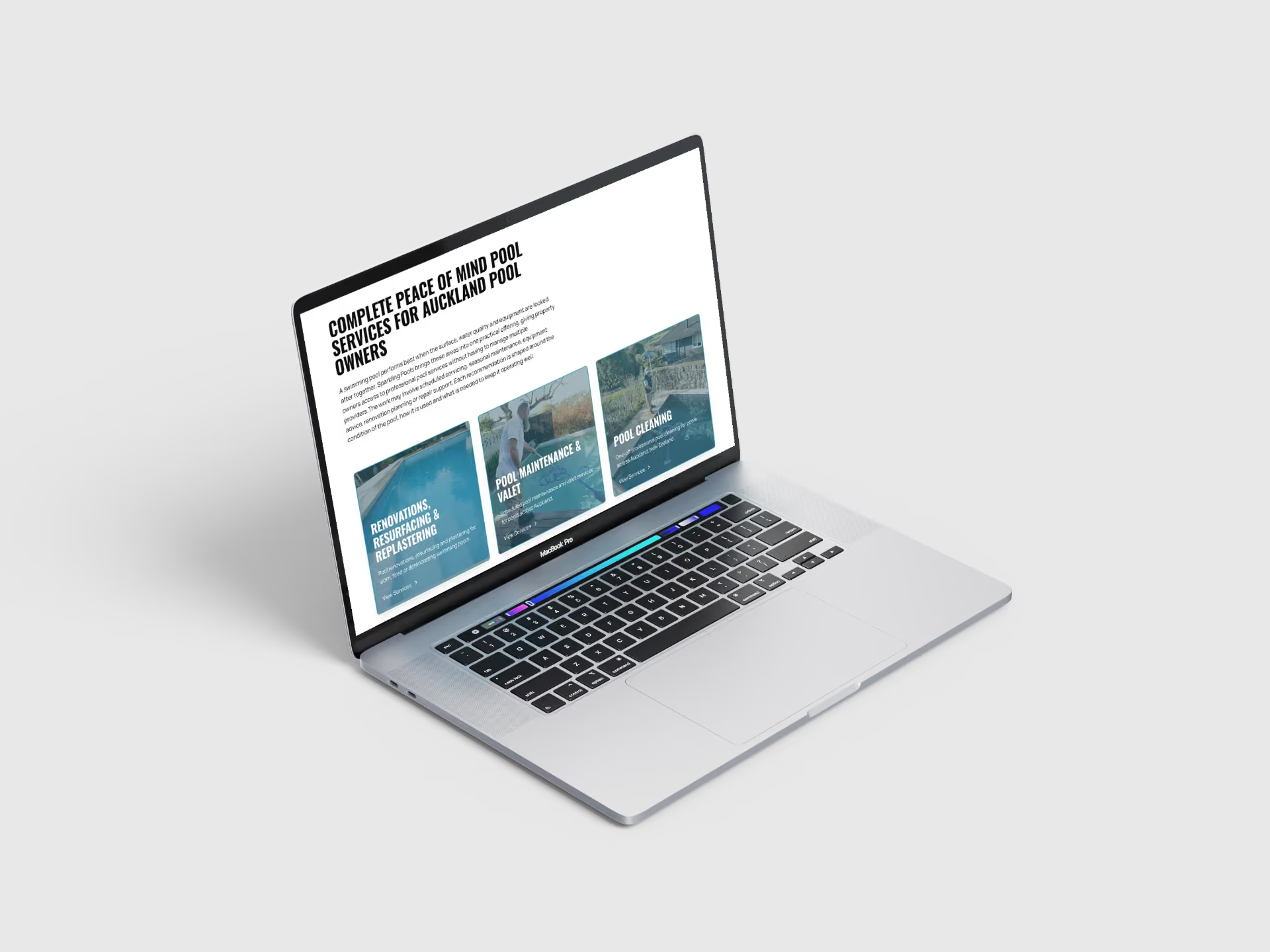
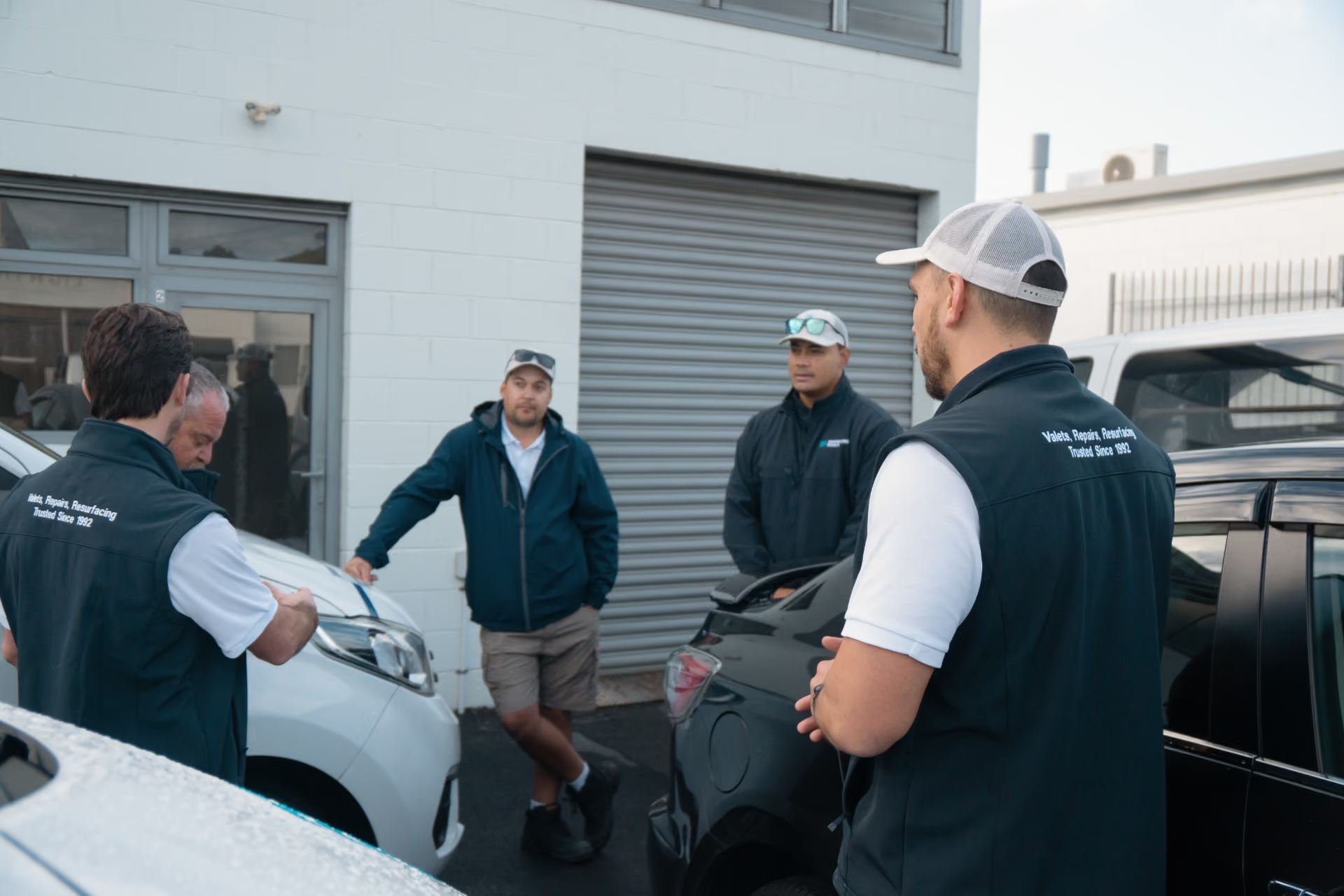
Sparkling Pools has looked after Auckland pools since 1992, working out of St Johns and covering the region from North Auckland down to the Waikato boundary. The business had grown well past what its website described. Six service lines and a full equipment range were sitting behind a WordPress site built for a smaller version of the company. It was slow, it was awkward to add to, and most of what the team sells was barely on it.
Where we started.
Two things drove every decision: getting found, and getting the enquiry. A pool company sells a service and a piece of equipment to the same person, and those two searches behave differently. Someone typing green pool Titirangi wants a page about exactly that. Someone comparing heat pump models wants a spec sheet. One homepage cannot serve both, so we built two connected systems and let the structure do the work.
Search first, then the enquiry.
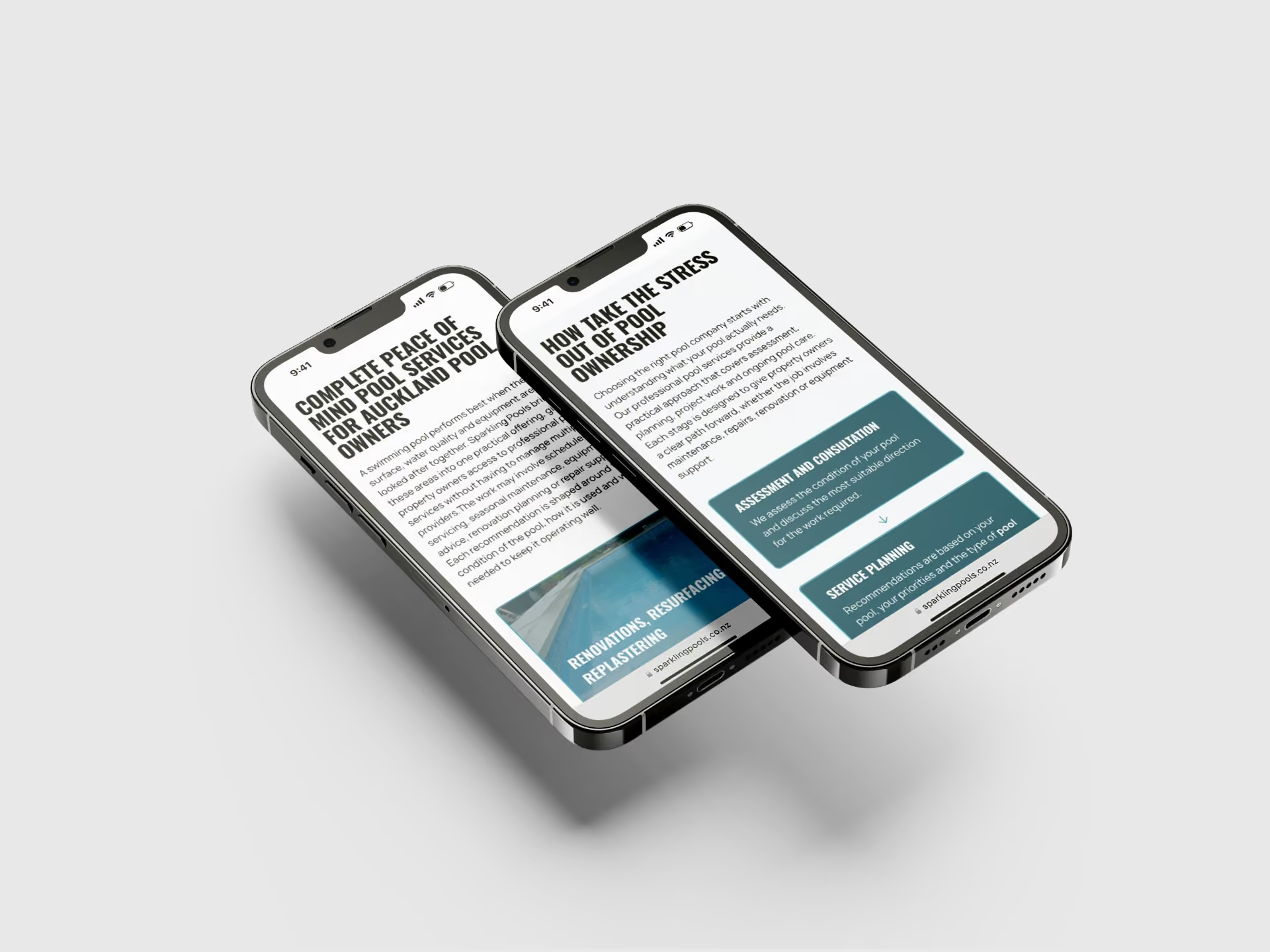
On the search side that meant a page for every real query rather than a handful of broad ones. Thirty-four service pages under six categories. Fifty-nine products listed down to the model code. One hundred and ten suburbs under seven regions. One hundred and one articles answering the questions owners type before they call anyone. Each page targets one intent and links to the next logical step rather than sending everyone back to the homepage.
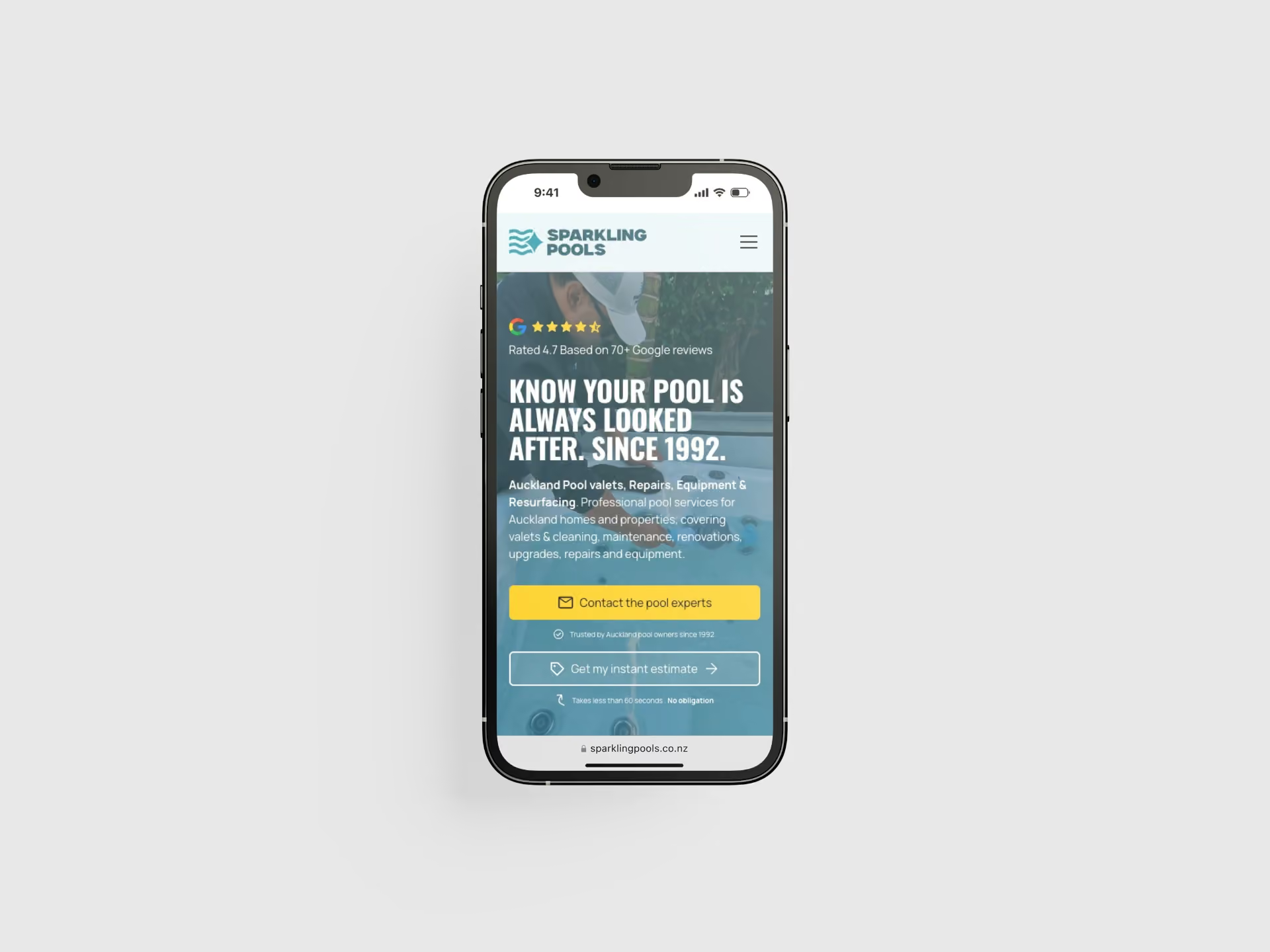
On the enquiry side we kept the path short. Every page carries the same two actions and nothing competes with them. The estimator sits on its own page, so an owner can get a figure in under a minute instead of waiting on a callback. Pricing is published rather than held behind a form. The renovation gallery does the convincing, with photography, the finish used and what the owner said afterwards. Nothing on the site pushes, which suits a business that has traded on reputation since 1992.
The tool that built it.
This was the first build to run on a migration tool we developed in-house with Greg Dickson at Bridge Media. It crawls the existing site and reads the new structure, then matches every old page to where it belongs. Where a page has no destination, it generates the 301. Where content is missing, it writes it against a brand voice specification set up for that client, so new pages read like the business rather than like a template. It then maps the CMS, fills it, moves everything across and publishes.
That is why a site this size was possible. Close to 400 pages were produced and migrated, each one structured, formatted and mapped rather than pasted in by hand. Doing it manually would have taken months and introduced errors on every page. Instead the time went into the parts that needed judgement, which here was the equipment data, the schema and the conversion path.
The move itself needed the same care. Every old WordPress URL was mapped to its new home. The errors Search Console had logged were worked through and redirected, so nothing earned since 1992 was left sitting on a dead link.
One business, described once.
Schema markup runs through every page on the site. The business is described once under a single identifier, carrying the St Johns address, the phone number, the 1992 founding date and the mapped service areas. Every other page refers back to it. Services, products, suburbs, regions, articles and answers each carry their own markup on top, generated from the CMS so a new item arrives fully described rather than waiting on a developer.
The effect is that search engines read one business with a few hundred pages, rather than a few hundred unrelated organisations. It is unglamorous work and it is where a lot of the search result comes from.
What the numbers say.
Measured in GA4 against the same period last year, site visits are up 430% and conversion events are up 325%. Organic traffic is up 500%. We also held the build to our performance standard, which is 95/100 in PageSpeed Insights, and this one came in at 98. A pool owner standing beside a green pool on a patchy connection gets the page rather than a loading spinner.
What happens next.
The site is live and the CMS belongs to Sparkling Pools. New products, new suburbs and new project write-ups go in without a developer, and the schema comes with them. We stay on maintenance and security, which covers the structured data, the redirects and the performance standard. If your own site is still describing a smaller version of your business, this is what the fix looks like.